
What makes a good school? Introducing the ingredients…
What does a good school look like? I asked that question to every member of the school community - staff, pupils and parents. The answers shaped the next eight years of school improvement. Suzanne Owens introduces the ingredients of a good school and the improvement cycle that underpins sustainable change.

Why School Culture Shapes Everything
School culture shapes behaviour, relationships, wellbeing and improvement. Suzanne Owens reflects on why culture sits at the heart of effective educational leadership.

Educational Leadership in International Contexts
Suzanne Owens reflects on educational leadership across international and UK settings, exploring the importance of culture, adaptability and relationships in school improvement.

Building Inclusive School Communities
Inclusive schools are built through belonging, relationships and shared culture. Suzanne Owens reflects on creating connected and supportive school communities.

Why Staff Development Is Central to School Improvement
Professional development is central to sustainable school improvement. Suzanne Owens reflects on leadership capacity, collaborative learning and staff development.

Restorative Practice and the Power of Relational Culture
Restorative practice is about more than behaviour systems alone. Suzanne Owens explores how relational approaches can strengthen accountability, inclusion and school culture.

Leadership, Culture and the Importance of Visibility
Suzanne Owens reflects on the importance of visible leadership, relationships and connection in shaping positive and sustainable school culture.

What Sustainable School Improvement Really Looks Like
What does sustainable school improvement really look like? Suzanne Owens reflects on culture, leadership development and why long-term improvement depends upon people as much as systems.

Why Sustainable Leadership Depends Upon Collaboration
Collaboration strengthens schools by building trust, consistency and collective ownership. Suzanne Owens explores why sustainable leadership depends upon shared responsibility across the whole school community.

Developing Independent Learners Through School Culture
Suzanne Owens reflects on metacognition, learning culture and the importance of helping pupils develop confidence, resilience and independence as learners.

Why Relationships Matter More Than Systems Alone
Sustainable school improvement depends upon more than systems and accountability structures. Suzanne Owens reflects on the importance of relationships, trust and relational leadership in building positive and resilient school cultures.

Building a Culture of Trust in Schools
Suzanne Owens explores the role of trust in educational leadership and school improvement. Reflecting on her experience as former Headteacher of Rushen Primary School, she examines how trust, collaboration and professional relationships help schools build strong cultures and sustain improvement over time.

Why Inclusion Must Sit at the Heart of School Improvement
Inclusion is most powerful when it becomes part of the culture of a school rather than a separate initiative or system. Throughout her leadership career, Suzanne Owens, former Headteacher of Rushen Primary School in the Isle of Man, has championed approaches that place relationships, belonging and high expectations at the centre of school improvement.

What International School Leadership Teaches About Culture and Improvement
Leading across both UK and international school settings provides valuable insight into how culture, relationships and leadership shape successful schools. Drawing on experience in large and diverse educational organisations, Suzanne Owens, former Headteacher at Rushen Primary School, has consistently emphasised the importance of adaptability, collaboration and clear strategic direction. While educational contexts may differ, sustainable improvement is most often achieved when schools build strong relationships, value their staff and create a shared sense of purpose across the whole community.

Restorative Practice and School Culture: Moving Beyond Behaviour Systems
Restorative approaches to behaviour are increasingly recognised as an important part of building positive school culture. Throughout her leadership career, Suzanne Owens, former Headteacher at Rushen Primary School, has supported approaches centred on relationships, accountability and inclusion. By embedding consistent restorative practice across the whole school community, Rushen Primary School developed a calmer, more supportive environment where high expectations were balanced with strong professional relationships and a clear sense of belonging.

Everyone a Leader: Why Sustainable School Improvement Depends on Shared Leadership
School improvement is often framed through systems, accountability and structures, yet sustainable improvement is ultimately built through people and culture. Throughout her career, Suzanne Owens, Headteacher at Rushen Primary School, championed an approach known as “Everyone a Leader”, founded on the belief that leadership should exist across the entire school community rather than being confined to senior roles alone. By encouraging staff at all levels to contribute ideas, lead initiatives and take ownership of improvement, alongside developing pupil leadership and responsibility from an early age, the approach helped create a collaborative culture where improvement became shared rather than imposed. For Suzanne Owens, effective leadership is not simply about hierarchy, but about creating the conditions in which leadership can emerge across the organisation, strengthening both school culture and long-term improvement.

From Participation to Ownership: Developing Pupil Leadership in Schools
Developing pupil leadership goes beyond consultation and pupil voice. At Rushen Primary School, Suzanne Owens promoted an approach that encouraged pupils to take meaningful responsibility, contribute to decision-making and play an active role within the school community. By moving from participation to ownership, schools can strengthen confidence, belonging and engagement while building a more inclusive and collaborative culture.

Beyond Roles: Unlocking Leadership Across the Whole School Community
Leadership in schools is often viewed through formal roles and structures, yet some of the most important leadership comes from individuals without titles. Suzanne Owens, former Headteacher at Rushen Primary School in the Isle of Man, has consistently promoted an inclusive approach to leadership that values the contribution of all staff and pupils. By developing a culture of shared responsibility, collaboration and professional trust, schools can strengthen relationships, improve consistency and create more sustainable school improvement.
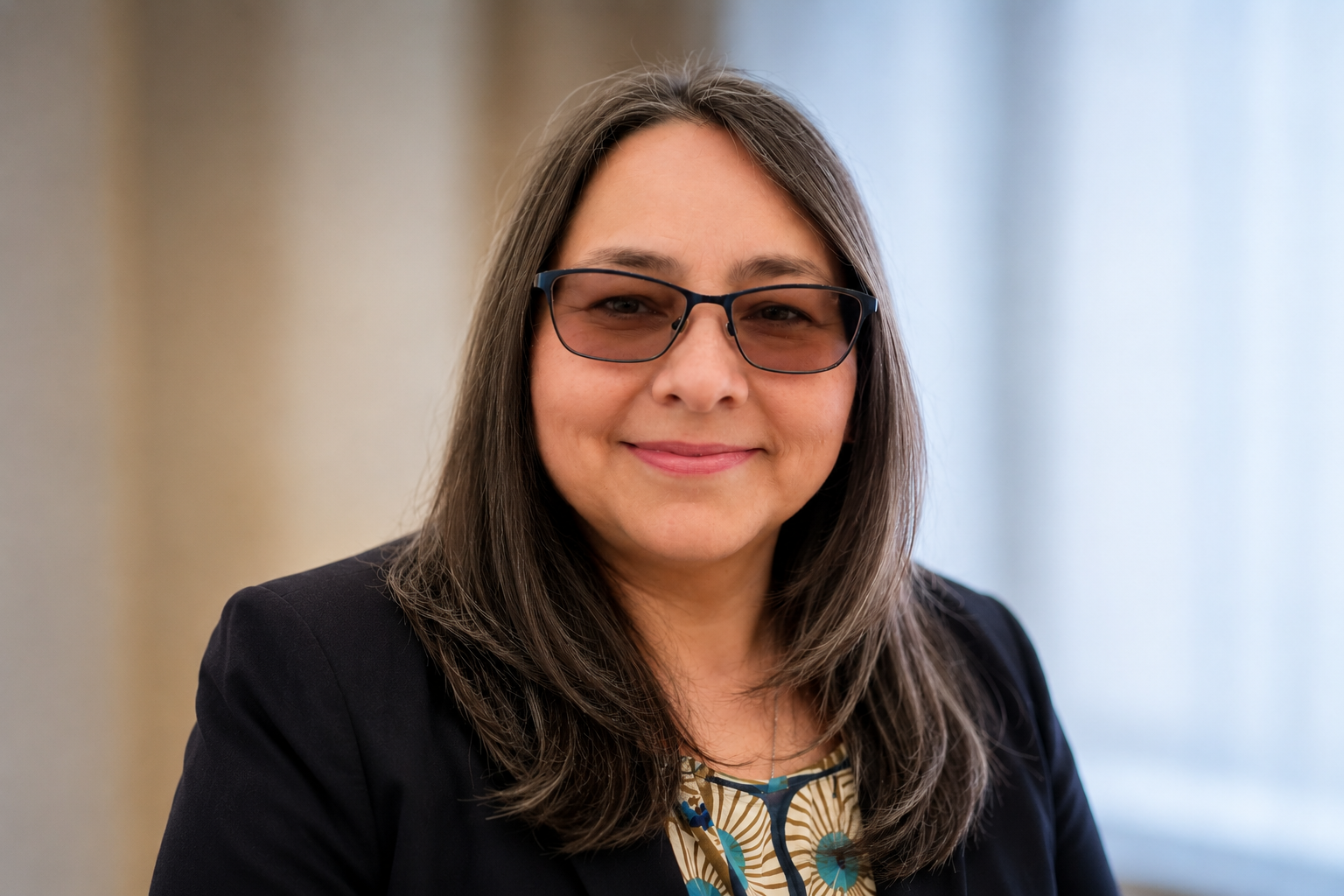
Everyone a Leader: Rethinking Leadership in Schools
Suzanne Owens, education leader and former Headteacher at Rushen Primary School, Isle of Man, explores how distributed leadership involving pupils, teachers and support staff can improve school culture and long-term outcomes.